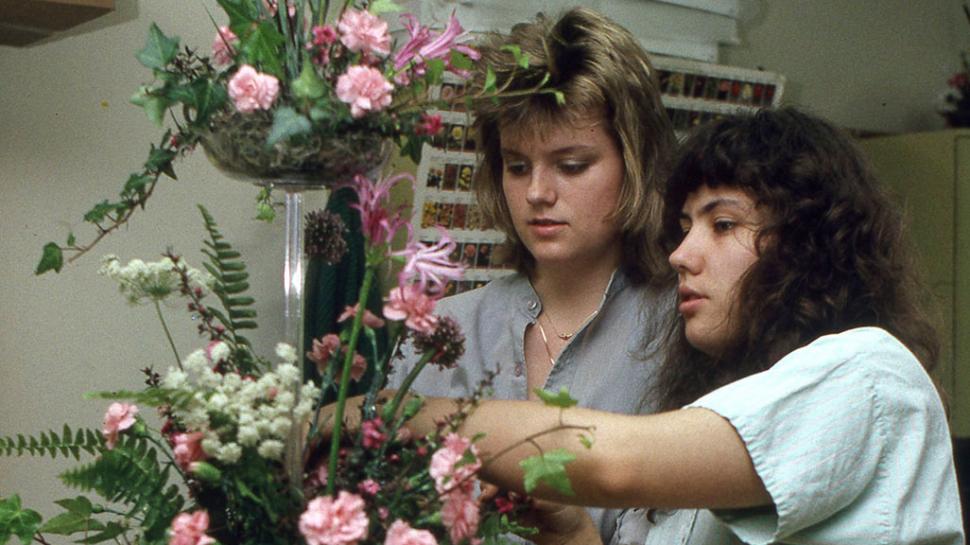
Humber Polytechnic once offered the unique Retail Floriculture program where students ran a fully operational flower shop on the North Campus.
The program allowed students to gain real-world experience in floral design, greenhouse management and business operations, combining artistry, science, and entrepreneurship. Students did more than study flowers - they managed orders for bouquets, corsages, potted plants and arrangements for weddings and funerals, making the Humber Flower Shop a vital part of campus life.
Second-year students rotated as weekly managers, responsible for all aspects of store operations, including ordering, pricing, advertising, sales, and accounting. While instructors provided guidance, students made day-to-day decisions, learning responsibility, leadership, and practical business skills alongside their floral training.
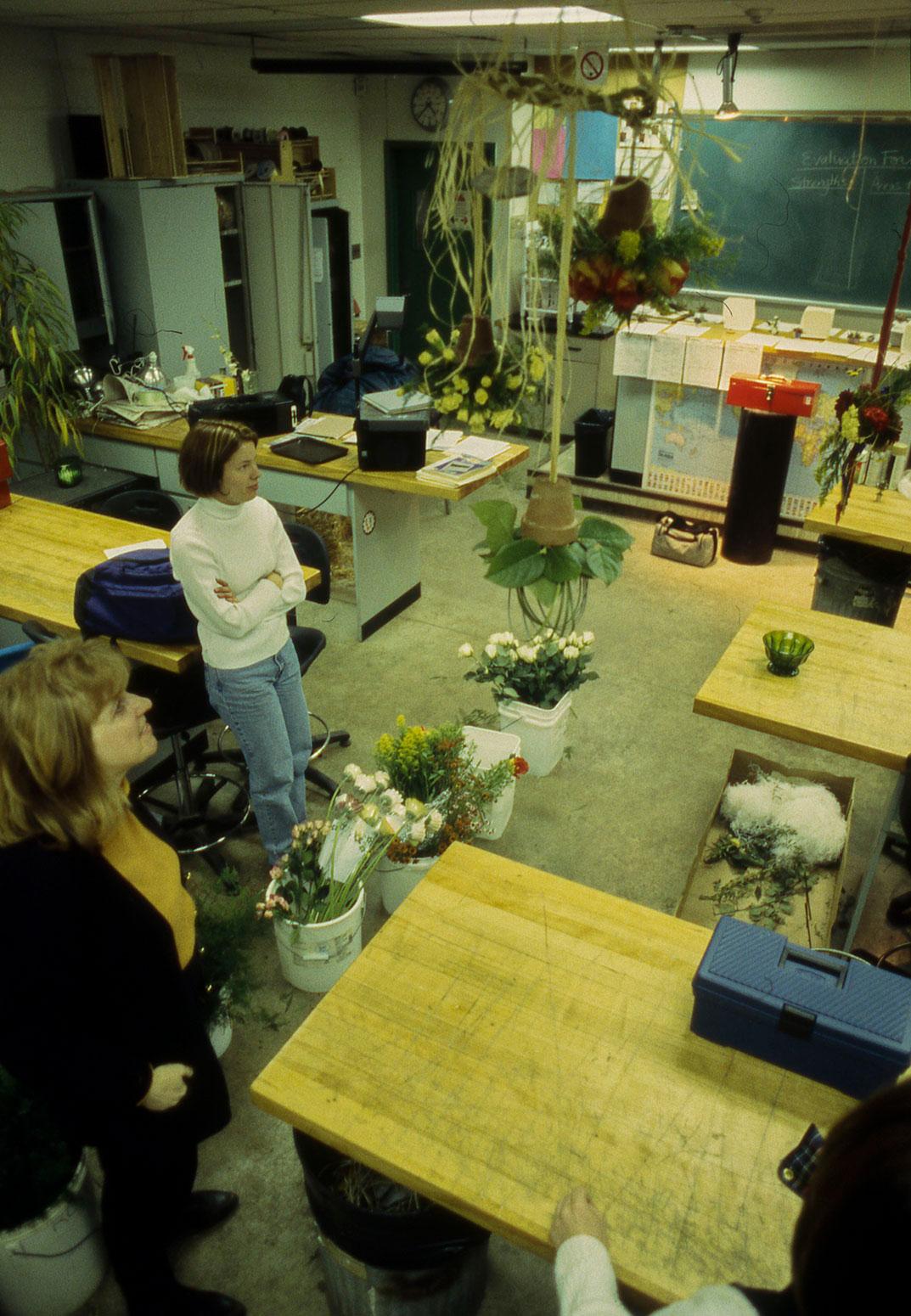
The four-semester program taught students floral design techniques, plant care, storage and propagation, greenhouse management, and plant identification. Students explored colour coordination, arrangement construction and both traditional and contemporary design styles while integrating business lessons in marketing, cost control, retailing and public relations.
Practical experience was a central component. Students spent two months in the spring and two weeks in December working in retail florist shops, complementing in-lab work with exposure to real customers and real sales. Employment prospects included positions in floral design, display merchandising, sales management and florist shop operation, with graduates often progressing to middle management within a short period.
Awards and competitions
Students frequently entered regional competitions and won awards. In 1981, Humber students swept all student category prizes at the Oktoberfest contest, with Eunice Ritchie and Janine Greenslade winning first prize, Jackie Cutler second, and Connie Mallon, Pam Card, and Nancy Chapman third while Nancy Wiggins received an honorable mention. On campus, they also staged themed shows such as “Bouquets for Four Seasons” with elaborate church backdrops highlighting their creativity and professional presentation.
The Retail Floriculture program operated as part of Humber’s Applied Arts Division, which offered vocational training in fields including floriculture, law enforcement, childcare, fashion, and horsemanship. It was active in the 1970s and throughout the 1990s, providing students with both academic instruction and experiential learning in a student-run business environment.
A 1977 graduate survey indicated that Retail Floriculture graduates earned an average starting salary of $6,760, which is equivalent to approximately $32,222.02 in 2025 dollars, according to the Bank of Canada inflation calculator. At the time, the average income for an unattached individual in Canada was approximately $5,100 to $5,300 in unadjusted dollars, making this a respectable earning level for an applied arts program graduate. The Humber Flower Shop was financially supported by the institution, with students managing day-to-day operations without receiving personal profit.
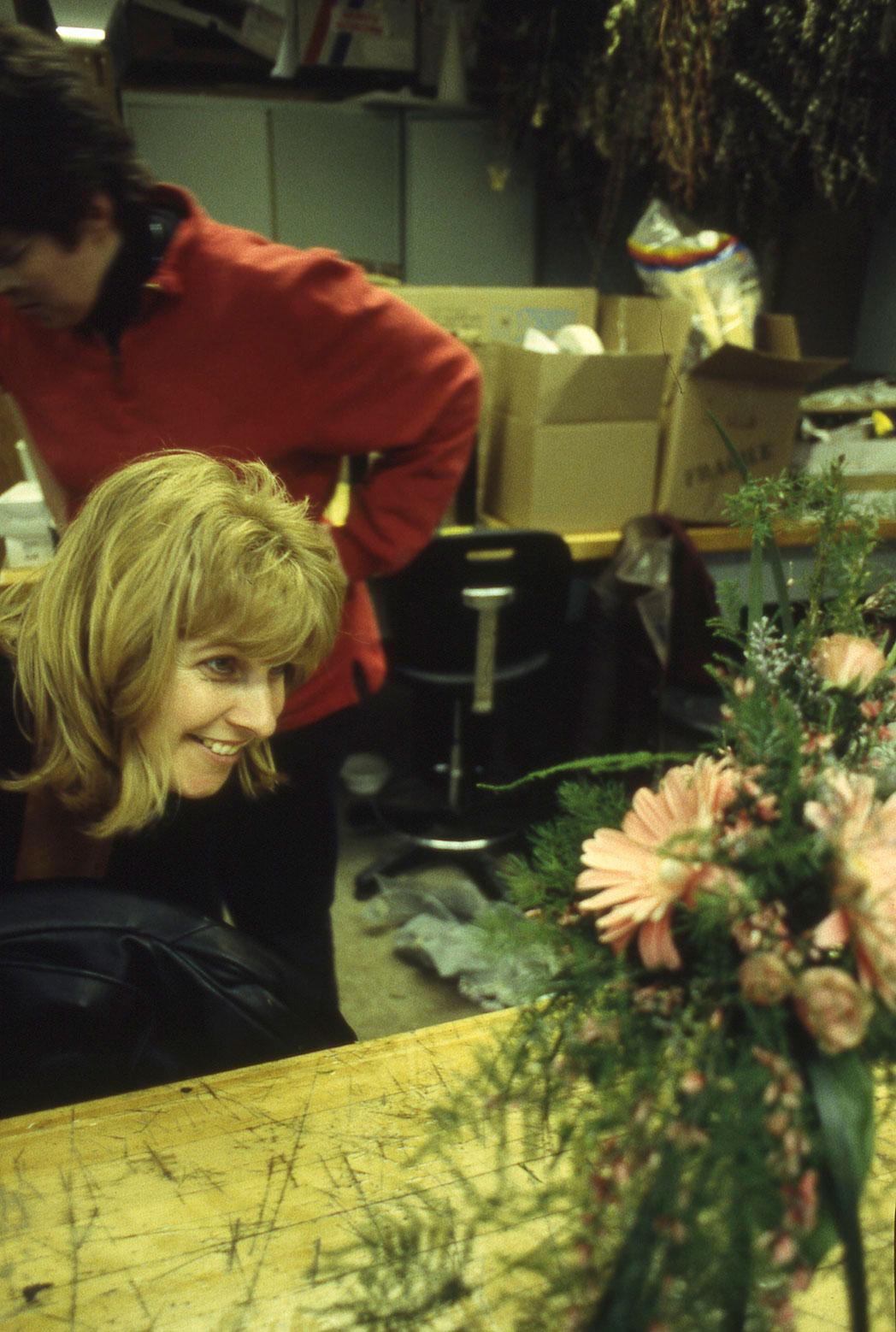
Sales figures at the Flower Shop were typically around $750 per week, demonstrating both the program’s popularity and its sustainability. Students coordinated everything from stock deliveries and pricing to promotional signage, developing real-life business acumen while applying their creative skills.
The Humber Flower Shop also served as a community hub, fulfilling special orders for weddings, funerals, and other campus events, showcasing the students’ ability to meet client needs with professionalism and artistry.
Although the Retail Floriculture Program is no longer active, its impact endures. Students learned hands-on skills, artistic expression, and business management, while contributing to campus life. The Humber Flower Shop was more than a classroom; it was a space where learning bloomed through responsibility, creativity, and collaboration, leaving a lasting mark on Humber’s history.