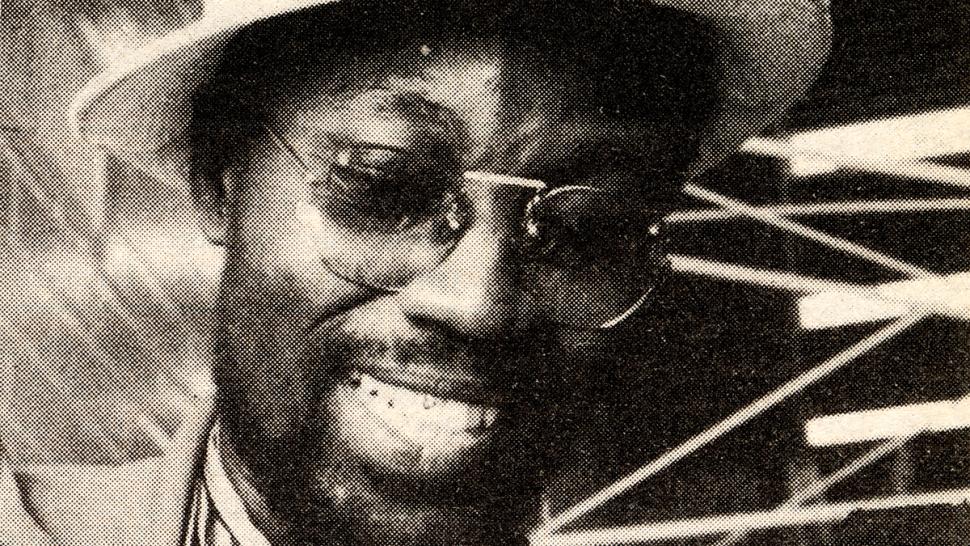
You can learn a great deal about an institution by what it chooses to remember and whose stories it preserves. Within Humber Polytechnic history, the life and achievements of Antonio “Tony” Ojo-Ade offer a powerful case study in resilience, excellence and Black presence in Canadian post-secondary education, particularly at the intersection of disability, sport, and community service.
Ojo-Ade studied Journalism at Humber from 1976 to 1979, a period marked by both personal recovery and extraordinary athletic achievement. Born in Nigeria, Ojo-Ade lost his left arm in an airplane crash at the age of 11. Years later, while living in Canada, he survived a serious car accident that left him temporarily paralyzed. Following five months in hospital marked by intensive rehabilitation, physical therapy, and determination, he regained the ability to walk. Rather than delaying his education, Ojo-Ade returned to Humber to complete his studies, graduating in 1979.
While pursuing his Journalism diploma, Ojo-Ade simultaneously emerged as one of Canada’s most accomplished adaptive athletes during a formative period in the country’s disability sport history.
In 1977, Ojo-Ade competed at the Canadian Games for the Physically Disabled in Edmonton, winning five gold medals in javelin, precision javelin, discus and table tennis as well as a silver medal in doubles table tennis. Competing in Class F, designated for athletes with above-the-elbow amputations, he broke three Canadian records, including the 100-metre sprint. That record held particular significance, as only two years earlier he had feared he would never walk again.
Over a three-year competitive span, Ojo-Ade amassed 20 medals, 16 of them gold, and represented Ontario at multiple national competitions. He also excelled in badminton and wheelchair basketball. Humber campus publications regularly documented his achievements, situating him not as an exception but as a point of pride within the polytechnic community.
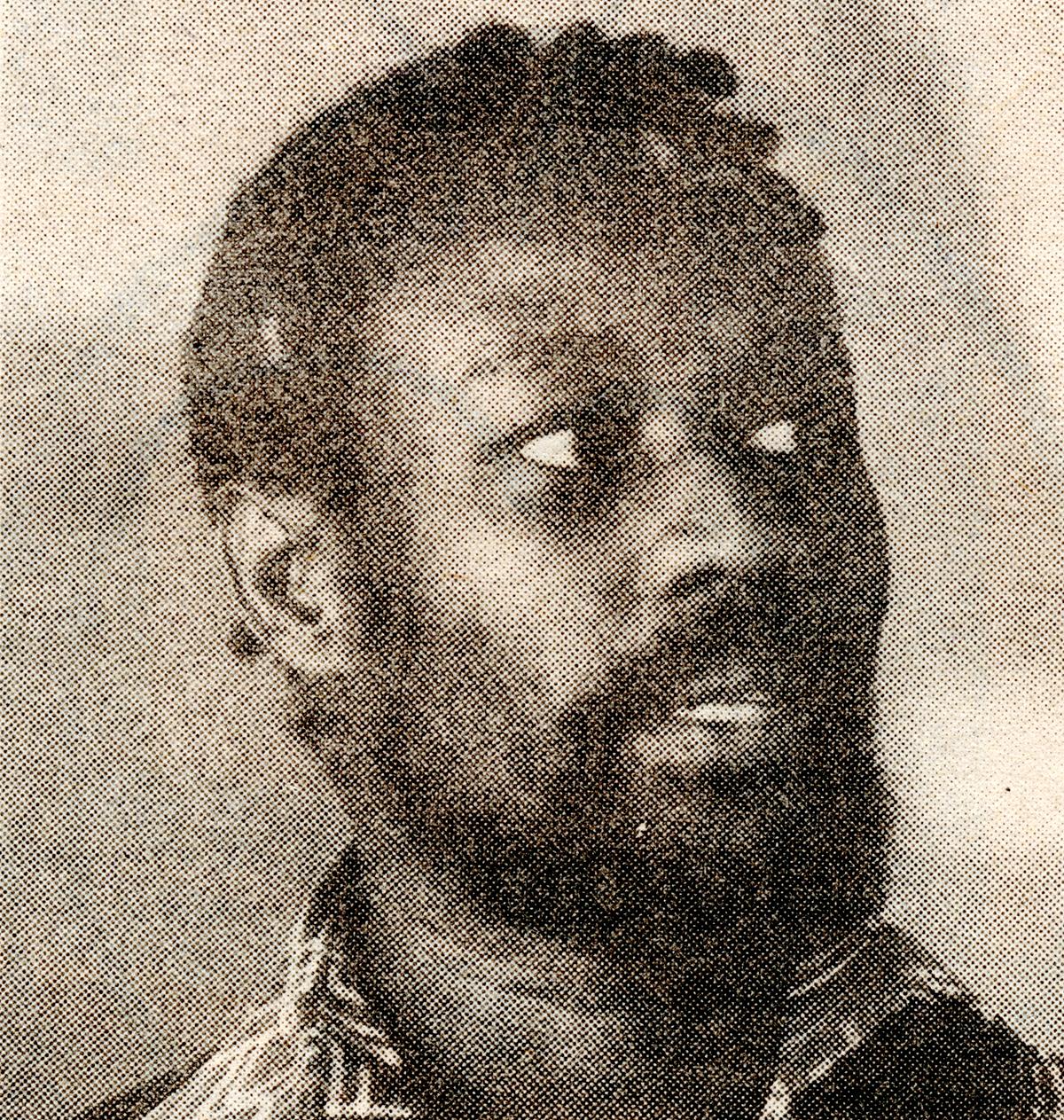
Yet for Ojo-Ade, sport was never only about medals or records. In interviews, he spoke candidly about how adaptive sport reshaped his sense of self and belonging. Prior to rehabilitation, he described feeling withdrawn from society, hesitant to attend social gatherings or place himself in public spaces. Participation in competitive sport altered that entirely.
“The games have given me a chance to travel and meet a lot of interesting people,” he said in 1978. “I now feel like a part of society. Being disabled isn’t the end of the world.”
After completing his studies at Humber, Ojo-Ade expressed a desire to return to Nigeria to help develop adaptive sport programming, believing strongly in sport’s ability to restore dignity, confidence, and social inclusion.
In later life, his commitment to service took another form. A retired CIBC employee, Ojo-Ade became deeply involved in volunteering, contributing his time to organizations such as the Toronto International Film Festival, the Heart and Stroke Foundation, Eva’s Initiatives, the CIBC Run for the Cure, and the Pan Am and Parapan Am Games, where he served as a cultural event host.
For institutions such as Humber, preserving stories like Ojo-Ade’s is not merely an act of documentation; it’s an act of accountability. Archives do more than store the past; they legitimize it. Archives determine which lives are documented, which achievements are contextualized, and which narratives are made available to future generations. The preservation of Ojo-Ade’s story affirms that Black resilience, disability leadership, brilliance and excellence have always been part of Humber’s institutional fabric.
As scholars and archivists have noted, communities can be rendered invisible not only by exclusion, but by omission. The act of remembering, particularly during Black Heritage Month, serves as a corrective and a refusal to allow complexity, struggle, and achievement to fade into silence.
Ojo-Ade’s life reminds us that history is not only shaped by those who are remembered often, but by those whose stories survive because someone chose to preserve them. Through that preservation, future students, particularly Black students and students living with disabilities, may find not only inspiration, but evidence that they, too, belong.