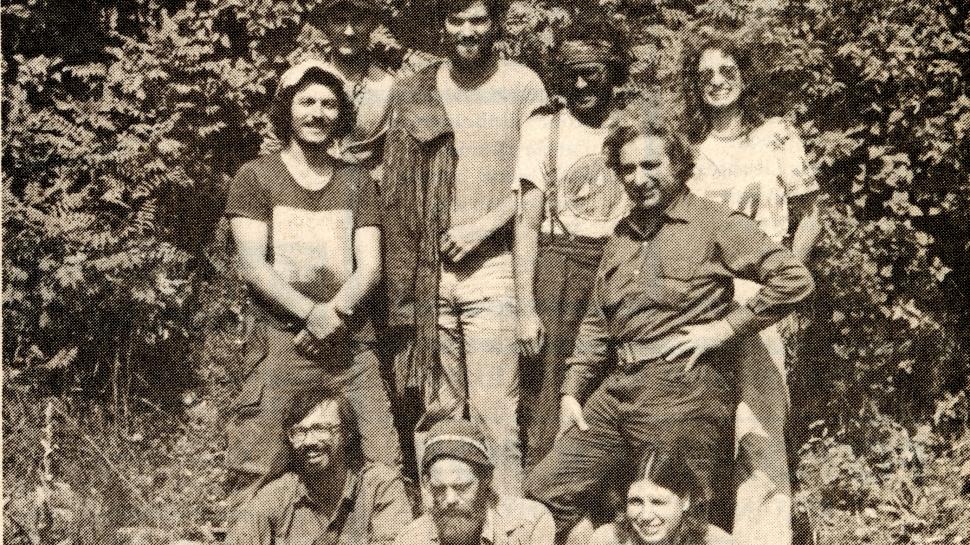
It was as early as 1976 that the Humber Continuous Learning Department introduced the Wilderness Experience I course.
It was an elective under the International/National studies program giving participants the chance to learn the “hows and whys” of lightweight camping with the goal to prepare for a 14-day wilderness survival hiking and camping experience in Algonquin Park.
This elective had become so popular, in demand, and intriguing that it was reintroduced as the Wilderness Survival course under the Athletics, Recreation and Leisure Education program as an Outdoor Education Certificate course in 1978. The course had expanded in scope, became seasonally oriented, and was taught in Spring, Fall, and Winter semesters.
According to the course outline, it appealed to “outdoor educators, fishermen, camp leaders, hunters and general enthusiasts who wanted to increase their theoretical knowledge and practical skills” in wilderness survival. The aim was to engage an urban society that was far removed from the world of survival.
The Wilderness Survival course was taught by Gino Ferri. The 10-week course was compact and filled with unique learning experiences that prepared students to deal effectively with extremely difficult wilderness situations.
Areas addressed in the course included shelter building, fire making without matches, using vehicles for survival and navigating in the bush without maps or a compass. Students were given an opportunity to polish their skills in an actual wilderness experience that lasted for up to nine days.
Each student had to take into the bush a blanket, canvas, cooking utensils, food for three days and a piece of flint or steel to make fire. Sleeping bags were forbidden as were insect repellents.
Another aspect of the course involved the utilization of available food sources. This included fish, insects, reptiles, and other animals found in the wild. Students were taught how to capture and utilize these food resources fully. They learnt butchering techniques and the carcasses of the animals were used for food, fishhooks, ropes, insulation to keep their bodies warm or making leather pouches to carry items.
In an article entitled “Wilderness Survivors endure eight days in rugged bush of North Hastings” published in The Bancroft Times, August 6, 1980, one of the many participants gave a testimonial from the course.
The student, Aita Meekins, explained, “I’m a Native person who wanted to live the experience of the ancestors.”
This amazing Wilderness Survival course was short lived as it stirred a lot of controversy with people who were animal advocates.
Of note is that the Wilderness Survival course was featured in a display at the Toronto Bird Festival held on May 24, 2025, as one of the discontinued courses or programs at Humber. The course was the highlight of the display as many visitors to the booth were fascinated by the nature of the course, and they said that it is something they would surely participate in if it was once again offered by the institution.
If this topic has piqued your interest, please visit the Humber Archives at https://archives.humber.ca/ where you can learn more.